
PATENT DUCTUS ARTERIOSUS (PDA)
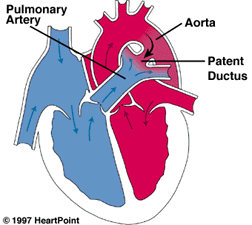
The ductus arteriosus is a normal fetal structure, allowing blood to bypass circulation to the lungs. Since the fetus does not use his/her lungs (oxygen is provided through the mother’s placenta), flow from the right ventricle needs an outlet. The ductus provides this, shunting flow from the left pulmonary artery to the aorta just beyond the origin of the artery to the left subclavian artery. The high levels of oxygen which it is exposed to after birth causes it to close in most cases within 24 hours. When it doesn’t close, it is termed a Patent Ductus Arteriosus.
The defect often corrects itself within several months of birth, but may require infusion of chemicals, the placement of "plugs" via catheters, or surgical closure.
The flow pattern is similar to the septal defects noted above, except that the shunting occurs outside of the heart. The left ventricle has to pump blood out through the aorta, only to have some of it flow to the lower pressure pulmonary artery, and directly back to the left atrium and ventricle. If a large PDA is not corrected, then the pressures in the pulmonary arteries may become very high and induce changes in the arteries themselves such that even closure of the defect will no longer improve the patient. In this case, the pressures in the right side of the heart are high enough that blood may begin to flow from the right to the left side of the heart. This situation is called "Eisenmenger’s syndrome", a condition which may result from several similar abnormalites.